Stone Sentinels at the Gate: The Ancient Power of Komainu and Their Place in the American Home
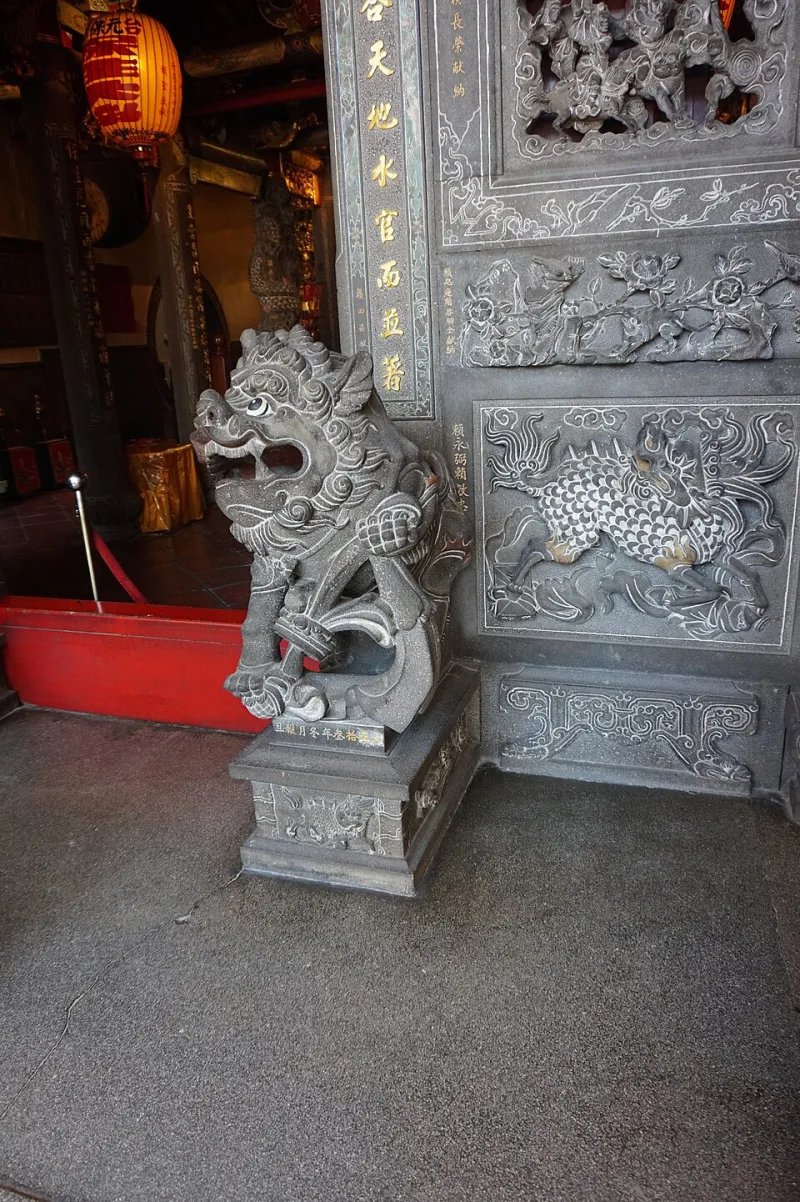
Photo: Tbatb, CC BY-SA 4.0, via Wikimedia Commons
Long before the concept of home protection became a matter of alarm systems and deadbolts, Japanese culture entrusted the threshold to something far older — the komainu, or lion-dog guardian. These paired stone figures, standing vigil at the entrances of temples and shrines across Japan, carry centuries of spiritual intention within their carved forms. Today, Americans are discovering that this ancient tradition translates with surprising grace into modern homes and mindfulness practices.
At Koumarusan Hourinji, where ancient wisdom is never treated as mere artifact, we believe that understanding the komainu fully — its origins, its symbolism, and its living relevance — is the first step toward welcoming its protective spirit into your own life.
From the Courts of Tang China to the Steps of Japanese Temples
The komainu's lineage is a fascinating study in cultural migration. Scholars trace the figure's earliest ancestors to the lion imagery of ancient Mesopotamia and Egypt, which traveled eastward through the Silk Road into China, where guardian lion statues became fixtures of imperial palaces and Buddhist temples during the Tang Dynasty (618–907 CE). When Buddhism arrived in Japan — bringing with it new artistic vocabularies and spiritual architectures — the guardian lion concept arrived as well, gradually absorbing distinctly Japanese aesthetic sensibilities.
By the Heian period (794–1185 CE), komainu had evolved into a recognizable paired format: one figure with its mouth open, the other closed. This arrangement mirrors the sacred Sanskrit syllables aum and hum, representing the beginning and end of all things, or in the Shinto tradition, the exhalation and inhalation of divine breath. The open-mouthed figure is said to ward off evil spirits, while the closed-mouthed one retains good fortune within the sacred space.
Over the subsequent centuries, regional stonecutters across Japan developed their own interpretations of the form. Some komainu appear fierce and muscular, with pronounced manes and bared teeth; others are more serene, almost playful in expression. Each temple community developed a relationship with its guardians, and those guardians reflected the character of the people who shaped them.
The Symbolic Language Written in Stone
To appreciate a komainu is to learn to read its visual vocabulary. Every detail carries intention.
The curling mane represents spiritual authority and divine energy radiating outward. The raised paw, often resting on a decorative ball or tama, symbolizes the guardian's dominion over earthly concerns and the containment of spiritual power. The forward-facing gaze is not aggressive — it is watchful, the eternal attention of a protector who never sleeps and never turns away.
The pairing itself is deeply meaningful. In Japanese spiritual philosophy, balance between opposing forces — open and closed, fierce and gentle, seen and unseen — is the foundation of harmony. Placing a single komainu would be considered spiritually incomplete, much like hanging one half of a set of doors. The pair creates a field of protection, a threshold that evil cannot easily cross.
For Americans accustomed to thinking of home décor in purely aesthetic terms, this relational dimension of the komainu offers something genuinely different: an object that is not merely beautiful, but functionally spiritual within its own tradition.
Selecting Authentic Komainu for Your Home
The American market for Japanese spiritual objects has expanded considerably in recent years, and with that growth has come a predictable flood of mass-produced imitations. Selecting a komainu that honors its tradition — whether for spiritual purposes or thoughtful cultural appreciation — requires some discernment.
Material matters. Traditional komainu were carved from stone, and high-quality ceramic or cast stone reproductions carry a similar weight and presence. Plastic or resin pieces, while affordable, tend to lack the gravitas that makes the figure spiritually resonant. If your budget allows, pieces imported from Japanese artisan studios — many of which are available through specialty importers in cities such as San Francisco, New York, and Seattle — represent a meaningful investment.
Scale and placement are essential. Komainu are threshold guardians; their traditional placement is at entryways. In the American home, this translates naturally to the front porch, flanking a garden gate, or positioned on either side of a front door. Indoor placement near an entryway foyer is equally appropriate. Avoid placing them in bathrooms or on the floor without a proper base, as both arrangements are considered disrespectful to the figure's spiritual function.
Seek the pair, always. As discussed above, a solitary komainu is spiritually incomplete. When purchasing, always acquire the matched set.
Research the maker. Pieces created by Japanese artisans who understand the iconographic tradition — the proper proportions, the symbolic details — will carry greater authenticity than generic decorative items labeled with Japanese names for marketing purposes.
Komainu as an Anchor for Meditation and Mindfulness
Beyond their role as home guardians, komainu have found an unexpected second life in American mindfulness culture. Meditation practitioners across the country have begun incorporating these figures into their practice spaces, using them as focal objects for concentration exercises and as symbolic reminders of the qualities they wish to cultivate.
The watchfulness embodied by the komainu — alert but not anxious, protective but not aggressive — is itself a model for a particular quality of meditative attention. Several practitioners interviewed for this piece described the experience of sitting before a komainu pair during morning meditation as grounding: the figures' permanence and stillness serving as an anchor against the restlessness of a distracted mind.
One approach, drawn loosely from traditional Japanese temple practice, involves beginning a meditation session by acknowledging the guardians: a brief, sincere bow of recognition before sitting. This small ritual creates a moment of transition between ordinary activity and intentional practice — a threshold-crossing that the komainu, fittingly, preside over.
Honoring the Tradition You Borrow From
Any engagement with a living cultural tradition carries responsibility. The komainu is not merely an aesthetic object — it belongs to a spiritual and communal context that has sustained Japanese communities for well over a millennium. Americans who bring these figures into their homes are encouraged to approach them with genuine curiosity and respect.
This means learning something of the history described here. It means not treating the komainu as a trend or a novelty. And it means, perhaps, supporting institutions — such as Japanese cultural centers, temple communities, and artisan cooperatives — that keep these traditions alive and properly contextualized.
At Koumarusan Hourinji, we hold that ancient wisdom is not diminished by crossing an ocean. It is, rather, given new opportunity to speak. The komainu stood at the gates of temples for centuries, protecting what was sacred within. There is no reason — with understanding, with care, and with genuine respect — that they cannot do the same for you.