Koumarusan Hourinji Where Ancient Wisdom Meets the Modern Soul

Koumarusan Hourinji

Where Ancient Wisdom Meets the Modern Soul

Latest Articles

Sacred Withdrawal: How Japanese Temples Use Intentional Closure to Cultivate Deeper Devotion
Sacred Traditions & Home Spirituality

Sacred Withdrawal: How Japanese Temples Use Intentional Closure to Cultivate Deeper Devotion

In Japan, a temple's decision to close its gates is not an absence of welcome — it is an act of profound spiritual generosity. By examining the ancient practice of intentional closure, American seekers can discover how scarcity and anticipation become the very soil in which genuine devotion takes root.

Unhurried by Design: What Japanese Temple Calendars Reveal About the Wisdom of Sacred Timing
Sacred Traditions & Home Spirituality

Unhurried by Design: What Japanese Temple Calendars Reveal About the Wisdom of Sacred Timing

Japanese temples do not rush the sacred. Their spiritual calendars are built around the slow, deliberate turning of natural cycles—a radical counterpoint to the American instinct to accelerate every experience. Understanding how these ancient institutions honor time itself may be the most quietly transformative practice available to the modern soul.

Closed Gates, Open Hearts: The Spiritual Discipline of Japanese Temple Inaccessibility
Sacred Traditions & Home Spirituality

Closed Gates, Open Hearts: The Spiritual Discipline of Japanese Temple Inaccessibility

Japanese temples have long practiced the deliberate withdrawal of access—through seasonal closures, forbidden inner sanctums, and periods of enforced retreat—not as rejection, but as a profound teaching on the sacred value of limits. For American seekers conditioned to equate availability with virtue, this ancient discipline offers a quietly revolutionary reorientation. To close the door, these traditions insist, is sometimes the most generous act one can offer.

When the Seasons Demand Release: Japanese Temple Wisdom for Letting Go With Intention
Sacred Traditions & Home Spirituality

When the Seasons Demand Release: Japanese Temple Wisdom for Letting Go With Intention

Japanese temples have long understood that nature's cycles are not merely backdrop to human life — they are its deepest teacher. Through rituals of conscious release aligned with seasonal turning points, practitioners find a more honest path to transformation than any single calendar date can offer. Here, we explore how that ancient wisdom might reshape the way Americans approach personal renewal.

Crossing Into Stillness: What Japanese Temple Threshold Rituals Reveal About the Art of Sacred Transition
Sacred Traditions & Home Spirituality

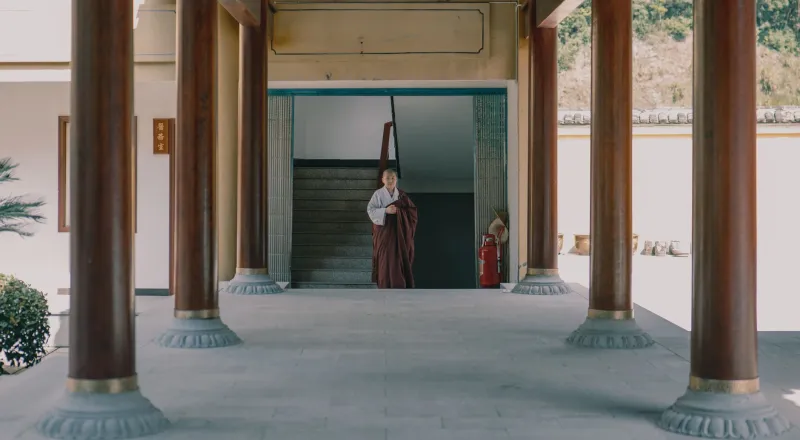
Crossing Into Stillness: What Japanese Temple Threshold Rituals Reveal About the Art of Sacred Transition

Before a single prayer is offered inside a Japanese temple, the architecture itself has already begun its work—guiding the visitor through a carefully choreographed sequence of passages designed to shed the ordinary world. By studying these ancient threshold rituals, modern Americans may discover a surprisingly practical wisdom for navigating the transitions that fragment our daily lives.

Walking Toward the Sacred: How Japanese Temple Pilgrimage Reclaims the Lost Art of Patient Longing
Sacred Traditions & Home Spirituality

Walking Toward the Sacred: How Japanese Temple Pilgrimage Reclaims the Lost Art of Patient Longing

In a culture engineered for immediacy, the ancient Japanese pilgrimage tradition offers something radical: the deliberate embrace of slowness, effort, and waiting as spiritual virtues in their own right. To walk toward a temple is not merely to travel—it is to undergo a transformation that only time and hardship can produce. This article examines what American seekers might recover by honoring the journey as much as the destination.

Stewardship Over Surplus: What Japanese Temple Economies Teach Us About Living With Less and Giving More
Sacred Traditions & Home Spirituality

Stewardship Over Surplus: What Japanese Temple Economies Teach Us About Living With Less and Giving More

For centuries, Japanese Buddhist temples have operated on economic principles that stand in quiet defiance of accumulation and waste. Their centuries-old systems of communal resource stewardship, circular giving, and long-horizon thinking offer a profound counterpoint to the relentless consumption that defines modern American life.

The Sacred No: What Japanese Temple Gatekeeping Reveals About Protecting Your Inner Life
Sacred Traditions & Home Spirituality

The Sacred No: What Japanese Temple Gatekeeping Reveals About Protecting Your Inner Life

Long before the modern world coined the phrase 'setting boundaries,' Japanese temple architecture and ritual practice had already encoded the wisdom of sacred refusal into stone, rope, and ceremony. Examining the layered gatekeeping traditions of Japanese sacred spaces offers Americans a profoundly different way to understand why saying no is not an act of rejection—but one of deep spiritual stewardship.

Sacred and Unfinished: How Japanese Temples Use Incompletion as a Spiritual Teaching
Sacred Traditions & Home Spirituality

Sacred and Unfinished: How Japanese Temples Use Incompletion as a Spiritual Teaching

In certain Japanese temples, sacred art is deliberately left incomplete—not from neglect, but from a profound philosophical conviction that perfection is both impossible and spiritually misleading. This ancient principle of fukinsei offers American seekers a radical reframing of unmet goals and unresolved chapters as portals to deeper wisdom rather than evidence of personal failure.

Holding Space Without Holding Solutions: The Japanese Temple Art of Compassionate Listening
Sacred Traditions & Home Spirituality

Holding Space Without Holding Solutions: The Japanese Temple Art of Compassionate Listening

In Japanese monastic tradition, the deepest form of care is not the answer offered but the silence sustained. This exploration of contemplative listening practices rooted in Buddhist temple culture invites American readers to reconsider what it truly means to be present for another person—without the impulse to repair, redirect, or resolve.

Dissolving the Self: What Japanese Monastic Humility Offers a Culture Obsessed With Standing Out
Sacred Traditions & Home Spirituality

Dissolving the Self: What Japanese Monastic Humility Offers a Culture Obsessed With Standing Out

In an era defined by personal branding and relentless self-optimization, Japanese Buddhist monastic practice offers a quietly radical counter-proposal: that the self, far from being a project to perfect, may be the very obstacle to peace. This exploration examines how the ego-dissolving disciplines of Japanese temple life can speak meaningfully to American spiritual seekers without demanding they abandon the world entirely.

What Stones and Streams Are Saying: Decoding the Spiritual Vocabulary of Japanese Temple Gardens
Sacred Traditions & Home Spirituality

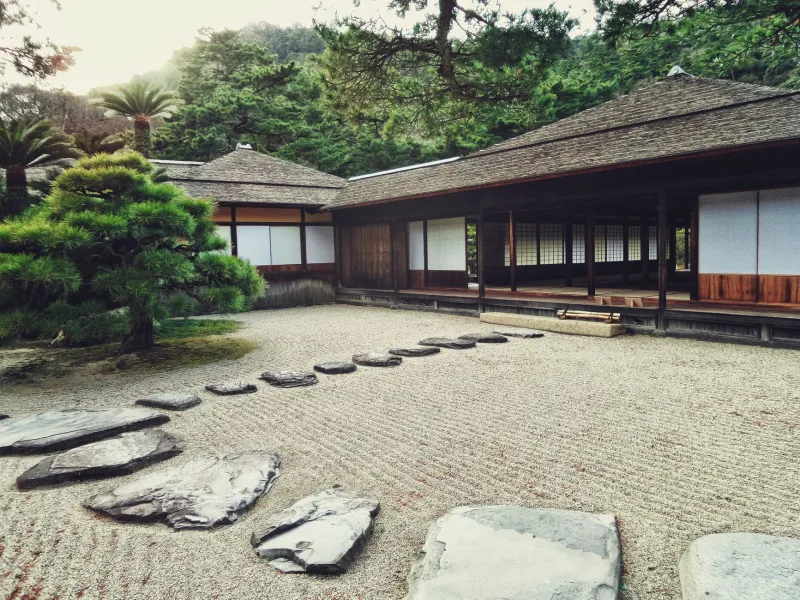
What Stones and Streams Are Saying: Decoding the Spiritual Vocabulary of Japanese Temple Gardens

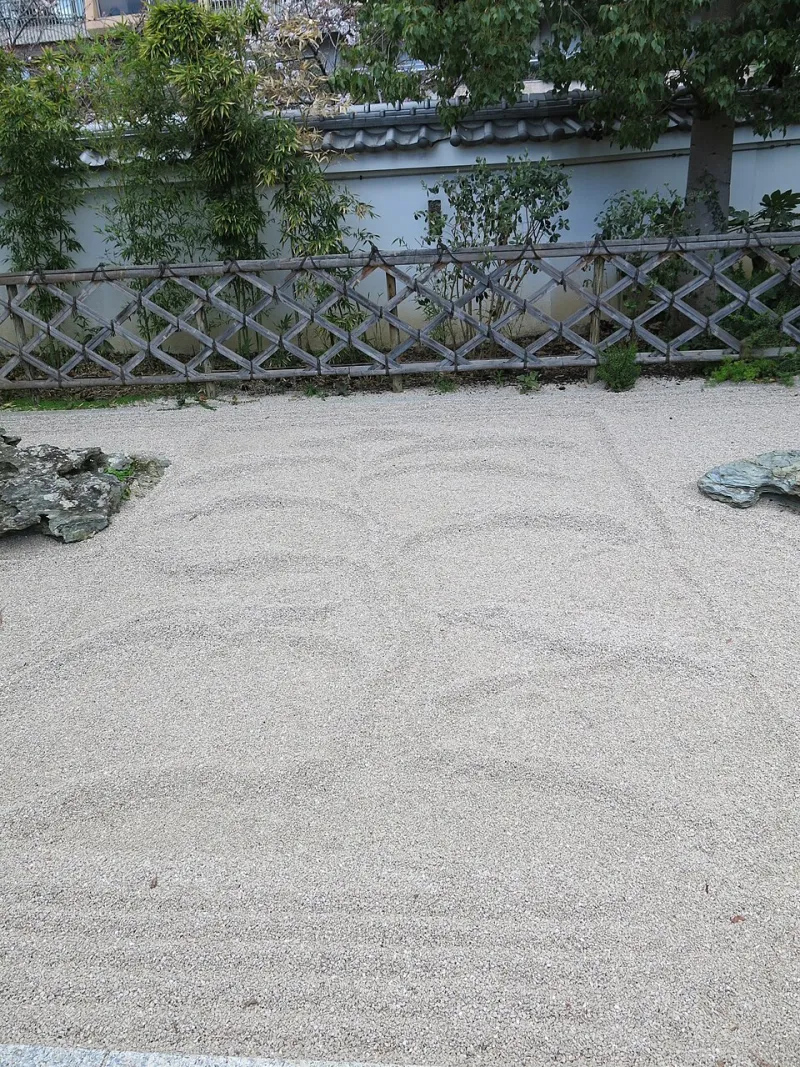
Every rock, ripple, and carefully pruned branch in a traditional Japanese temple garden carries deliberate meaning—a silent scripture written in earth and water. For American readers seeking to cultivate spaces of genuine spiritual resonance, understanding this ancient design language opens an entirely new way of seeing the outdoors. This article explores how those centuries-old principles can be quietly translated into the gardens, patios, and private corners of contemporary American life.

Bells Before Dawn: How Japanese Monastic Rhythms Can Bring Order to the American Day
Sacred Traditions & Home Spirituality

Bells Before Dawn: How Japanese Monastic Rhythms Can Bring Order to the American Day

Deep within Japan's mountain monasteries, monks have followed the same precise daily rhythms for centuries—rising before dawn, eating in contemplative silence, and retiring with deliberate intention. These temporal structures are not merely institutional habit; they are a technology of the spirit, refined across generations to align human consciousness with something larger than individual circumstance. For Americans navigating fragmented schedules and digital overwhelm, the monastic framework o

The Wisdom in Your Hands: Ancient Japanese Craft Practices as a Path Back to Stillness
Sacred Traditions & Home Spirituality

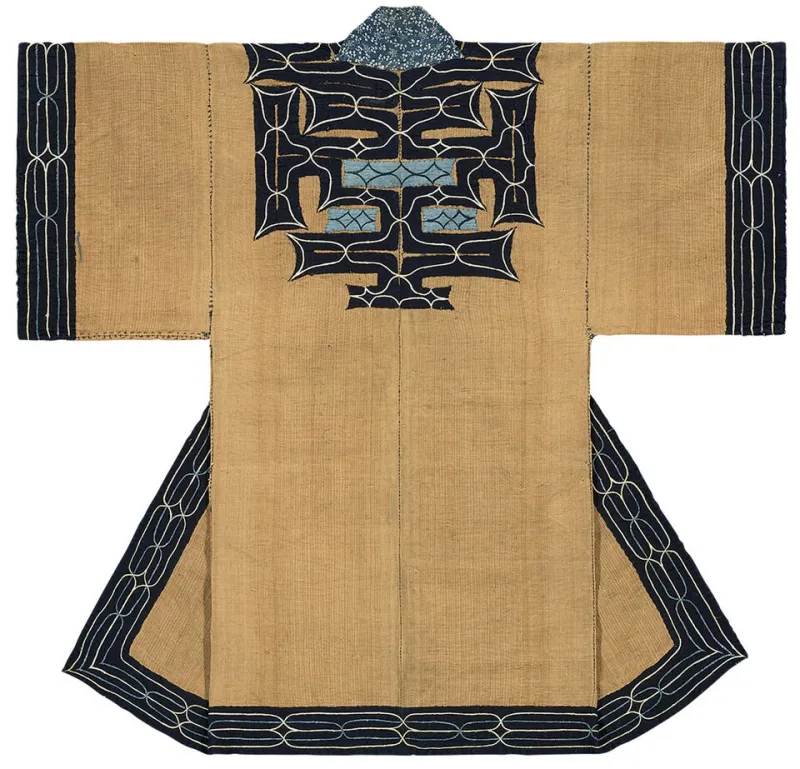
The Wisdom in Your Hands: Ancient Japanese Craft Practices as a Path Back to Stillness

Long before wellness became an industry, Japanese artisans understood something profound: that repetitive, purposeful work done with the hands is a form of prayer. From the deep indigo vats of aizome dyeing to the rhythmic coiling of traditional rope-making, these craft practices offer overstimulated American professionals a tangible, embodied route into the contemplative traditions of Japan. This article examines why working with your hands may be the most underestimated spiritual practice avai

The Grammar of Quiet: Redesigning Your Sonic World Through the Japanese Wisdom of Ma
Wellness & Nature Practices

The Grammar of Quiet: Redesigning Your Sonic World Through the Japanese Wisdom of Ma

In Japanese aesthetic philosophy, silence is not the absence of sound but its most eloquent companion. By understanding the ancient concept of ma—the meaningful pause between notes, words, and moments—American readers can begin to transform their noisy environments into spaces of genuine restorative calm. This exploration draws on the acoustic traditions of temple gardens and shakuhachi music to offer a practical new way of listening.

The Sacred Pause: How Japan's Philosophy of Emptiness Can Quiet the American Mind
Wellness & Nature Practices

The Sacred Pause: How Japan's Philosophy of Emptiness Can Quiet the American Mind

In a culture that glorifies perpetual busyness, the Japanese concept of ma — intentional, breathing emptiness — offers a radical counterpoint. From the spare architecture of Zen temples to the deliberate silences of the tea ceremony, this ancient aesthetic principle holds surprising power for Americans struggling to find clarity amid relentless noise. Koumarusan Hourinji examines how the art of leaving space might be the most transformative practice you have never tried.

The Voice of Bronze: Bringing Japanese Temple Bell Resonance into Your Daily Spiritual Life
Sacred Traditions & Home Spirituality

The Voice of Bronze: Bringing Japanese Temple Bell Resonance into Your Daily Spiritual Life

Across Japan, the deep, sustained tone of a bronze temple bell has marked the boundary between the ordinary and the sacred for more than a millennium. Now, American practitioners are discovering that the same resonance — whether produced by a grand *bonshō* or a modest desk *suzu* — carries measurable psychological and spiritual benefits that translate with remarkable fidelity to the Western home. Koumarusan Hourinji offers a guide to the history, philosophy, and practice of sacred bell work.

Festival of the Spirit: How Japanese Matsuri Traditions Are Taking Root in American Cities
Wellness & Nature Practices

Festival of the Spirit: How Japanese Matsuri Traditions Are Taking Root in American Cities

Across the United States, the ancient rhythms of Japanese matsuri — festivals rooted in Shinto reverence, communal gratitude, and seasonal attunement — are finding new expression in American neighborhoods. From the taiko drums of Los Angeles to the lantern-lit waterways of Seattle, these celebrations offer more than cultural spectacle: they carry living spiritual traditions that speak to something universal in the human need for belonging and sacred time.

Gilded Fractures: What the Ancient Practice of Kintsugi Teaches Us About Living Whole
Sacred Traditions & Home Spirituality

Gilded Fractures: What the Ancient Practice of Kintsugi Teaches Us About Living Whole

In a culture that discards what is broken and celebrates only what appears flawless, the Japanese art of kintsugi offers a radical alternative: that our wounds, made visible and honored, become the very source of our beauty. This exploration of kintsugi's philosophical roots reveals how an ancient ceramic repair tradition holds profound lessons for healing relationships, careers, and the American self.

When Enough Is Everything: Embracing Mono no Aware in an Age of Relentless Ambition
Wellness & Nature Practices

When Enough Is Everything: Embracing Mono no Aware in an Age of Relentless Ambition

Japan's ancient aesthetic philosophy of mono no aware — the bittersweet recognition that all things are fleeting — offers a profound counterweight to America's relentless pursuit of permanence and productivity. By learning to sit with transience rather than resist it, Western practitioners are discovering unexpected pathways to gratitude, emotional resilience, and a quieter kind of joy. This is not a philosophy of giving up; it is a philosophy of waking up.